
In public relations, we’re wired to craft narratives that feel honest, human, and culturally plugged-in. For years, that meant partnering with traditional advertisers and media to help brands tell their stories. Today, that power has shifted, quietly, but completely, to influencers.
By Skylar Davis
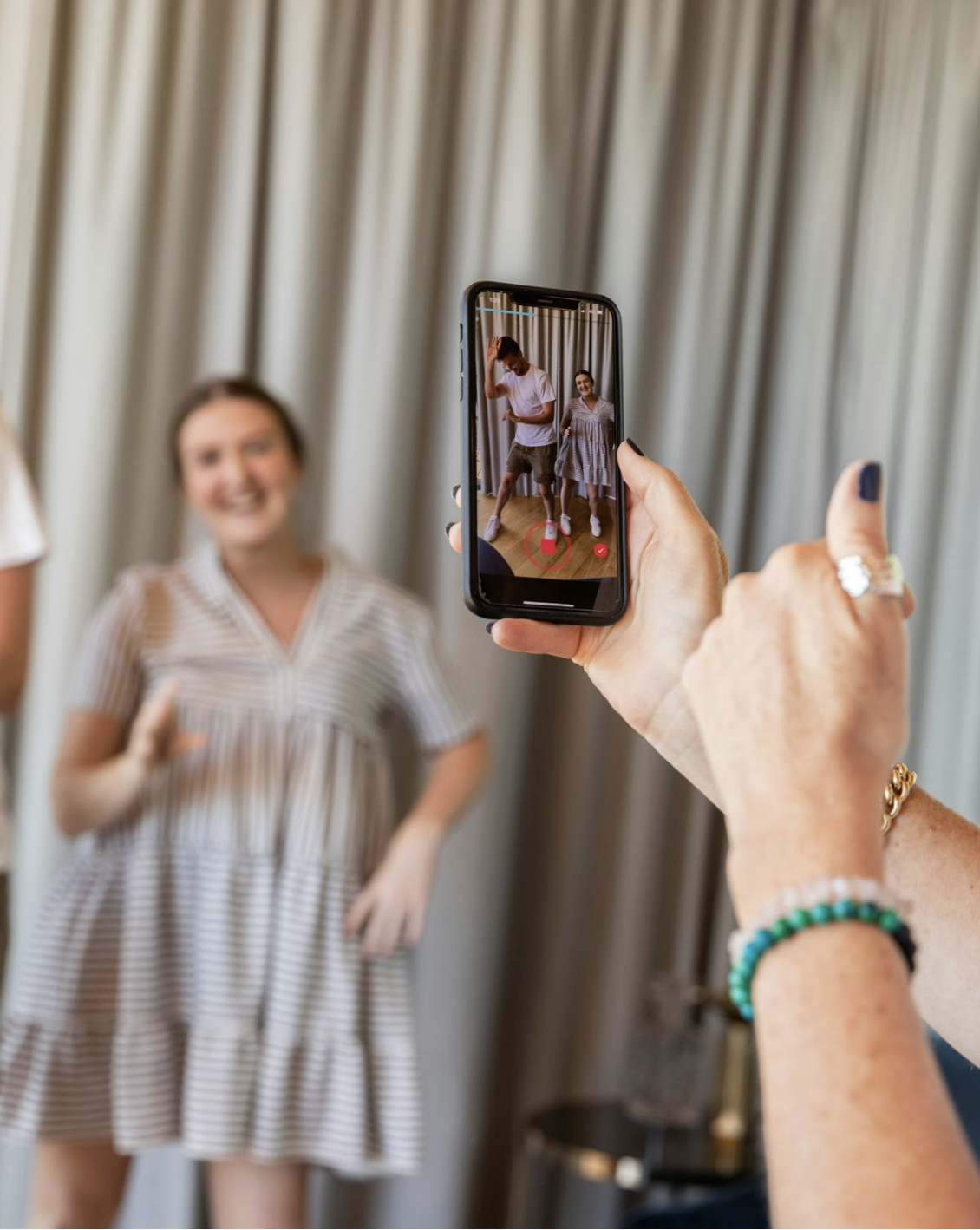
Gen Z doesn’t want advertising that looks like advertising. According to Morning Consult, 72% of Gen Z follow influencers, and about 50% say influencer recommendations matter more to them than endorsements from traditional celebrities. A TikTok filmed in someone’s bedroom can feel more credible than a big-budget campaign, because audiences have chosen that person, spent time with them, and built a sense of familiarity. But here’s the nuance: that sense of authenticity is a perception, not a guarantee. Influencers have earned influence because they speak in their own language, not because every endorsement is pure. Partnerships that feel off, wrong tone, wrong product, wrong message, get called out immediately. Gen Z is savvy enough to know that creators get paid; they just expect the collaboration to make sense.
That’s where strategy comes in. The strongest campaigns don’t just select a creator with reach; they cast someone whose values, aesthetic, and community align naturally with the brand. When the relationship feels believable, the audience feels it. When it doesn’t, the comment section will say so loudly.
Sprout Social reports that Gen Z responds more strongly to content that feels “unfiltered,” valuing relatability over polish. And while follower count still plays a role, micro-influencers often drive higher engagement than macro talent (HubSpot), because smaller communities can feel more like true relationships. eMarketer notes that Gen Z relies more on influencer input when making purchases than millennials do, underscoring just how deeply creators have shaped their buying behavior.
Rather than replace PR, influencer culture expands it. Influencers aren’t just a media channel; they’re creative collaborators, helping shape messaging, tone, and audience context. Our role is to help brands show up in these spaces with credibility, sensitivity, and a willingness to share the stage. Gen Z didn’t kill traditional advertising; they updated it. They traded slogans for stories and perfection for personality. And the numbers are clear: influencer marketing is projected to reach $32.5B in 2025 (Influencer Marketing Hub), fueled by brands chasing relevance and trust.
At its core, this new era reinforces something PR has always known: people don’t buy messages. They buy humans they trust, or, at least, the ones who feel like they could be trusted.
And honestly? We’re here for it.