
Talent from Factory, Jungle Studios, Sonic Union, Machine, Sine Audio and Camp Lucky explore how their creative environments amp up their sound design process.
Eric Hoffman
Senior Sound Designer/Mixer, Mr Bronx Audio Post
An average day in the studio for me either starts on the NYC subways or with a drive through the Hudson Valley countryside. I’ve been splitting my time between our new Mr. Bronx studios in the Flatiron neighborhood of NYC and my farmhouse studio near Hudson, NY. While vastly different in many ways, each provides me with unique benefits that allow me to be successful as a sound designer and mixer.
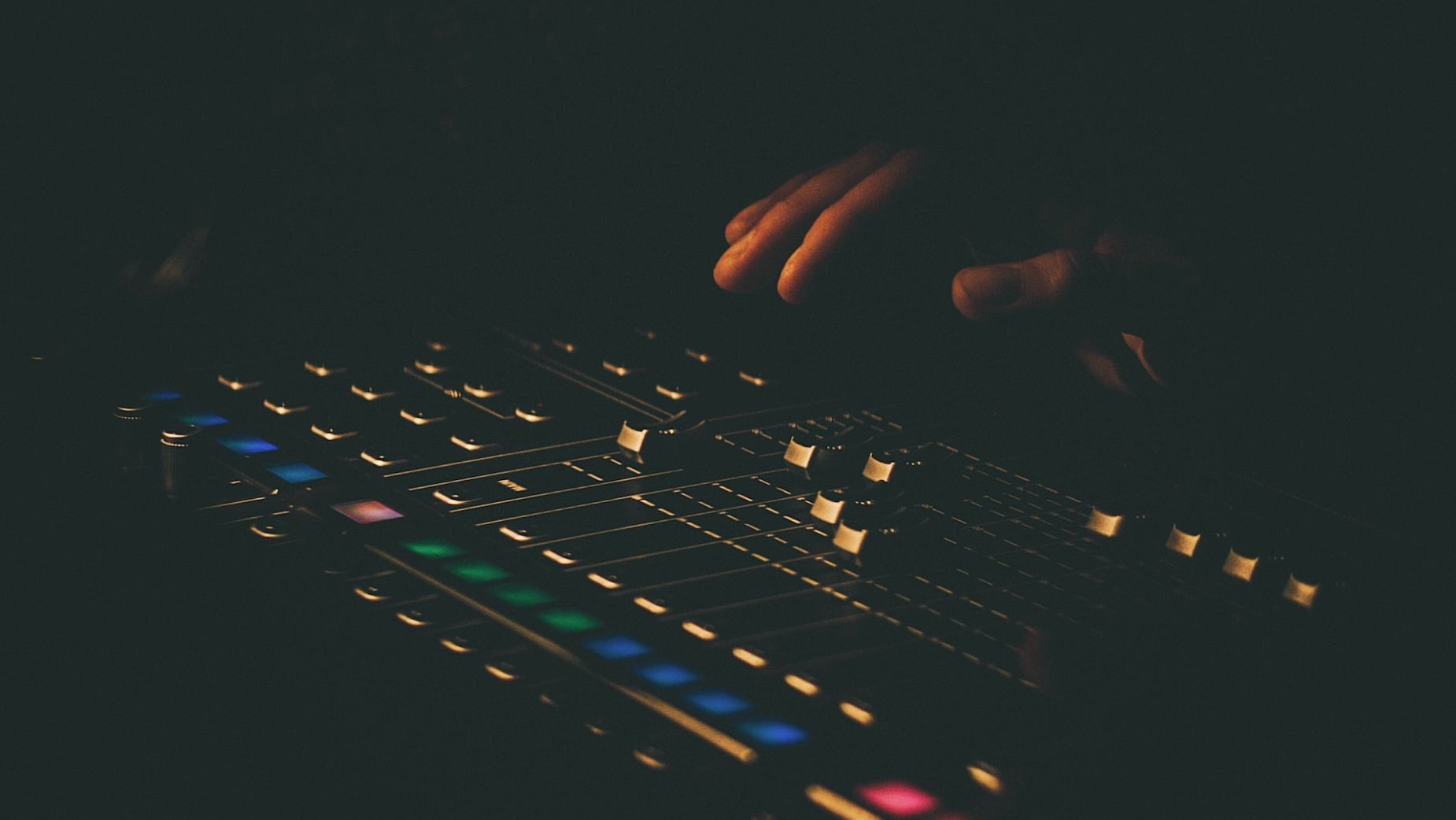
Our new 7.1.4 Atmos studios in Flatiron have been a game changer for my longform work on features like the documentary Lakota Nation vs. the United States, the Atmos mix for Miyazaki’s The Boy and the Heron English release, and trailers for Beyoncé’s Renaissance tour film. During the studio design process, my colleagues and I pulled from our past studio experiences to implement new design ideas and features that would incorporate the latest audio tech and foster a comfortable, creative working environment. So much of what I do is about finding efficiencies. Along with our Avid mixing boards, we’ve implemented Stream Decks with SoundFlow triggers that allow us to automate repetitive tasks, condensing what would normally be multiple clicks to the single push of a button. This allows me to spend more time being creative, and less time on mental tasks.
For sound design, I like to use a combination of virtual instruments with physical gear and hardware. At my farmhouse studio, I leave as much of my gear set up and patched as possible. That way I can immediately start creating. When starting a sound design project, my first approach is typically throwing shit at the wall; solely focusing on putting down new ideas without overthinking it. When time constraints allow, I’ll start by creating interesting sounds in the box with MIDI plugins such as the Native Instruments collection or Omnisphere, and send that audio out to analog hardware, modular gear, or tape for further manipulation. Then I’ll record it back into Pro Tools where I can do further re-sampling, sequencing, editing, and mixing.
Working exclusively in-the-box can at times feel like there’s a near limitless possibility of choices, which can sometimes lead to a feeling of creative paralysis. I like that working with analog gear forces me to commit to my ideas, and in return teaches me to trust my instincts.
Click HERE to read the original article.