


PR spending is what drives AI visibility, and brands are starting to realize how important that investment is. Without placements and features in outlets that AI models trust, brands can’t get mentioned in search summaries, and PR is how those placements and features happen.
But it’s not enough to invest in PR for general AI visibility, because getting cited by AI isn’t a single goal. It’s three. ChatGPT, Claude, and Gemini/Google AI Search often answer the same question about your category with information from very different sources, and those sources don’t always overlap. Brands that invest in targeted PR strategies for AI visibility will see better returns than brands that follow a generic strategy.
Not all AI models draw answers from the same sources
Muck Rack’s May 2026 report, What Is AI Reading?, analyzed more than 25 million links that appeared in AI-generated responses from Gemini, Claude, and ChatGPT. 84% of citations came from earned media like news outlets, social platforms, corporate blogs, and sites like Wikipedia.
The data showed that the major AI models rely on different sources to answer user questions. For example, Gemini’s top-cited domain is Reddit, ChatGPT’s is Wikipedia, and Claude cites PubMed Central most often. Because each AI searches different sources, the answers it returns can feature different brands, or no brands at all.
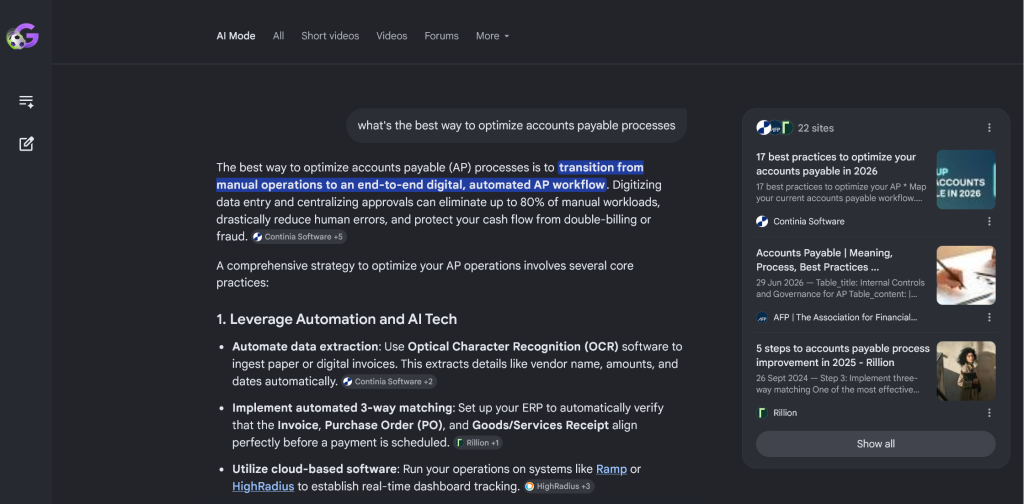
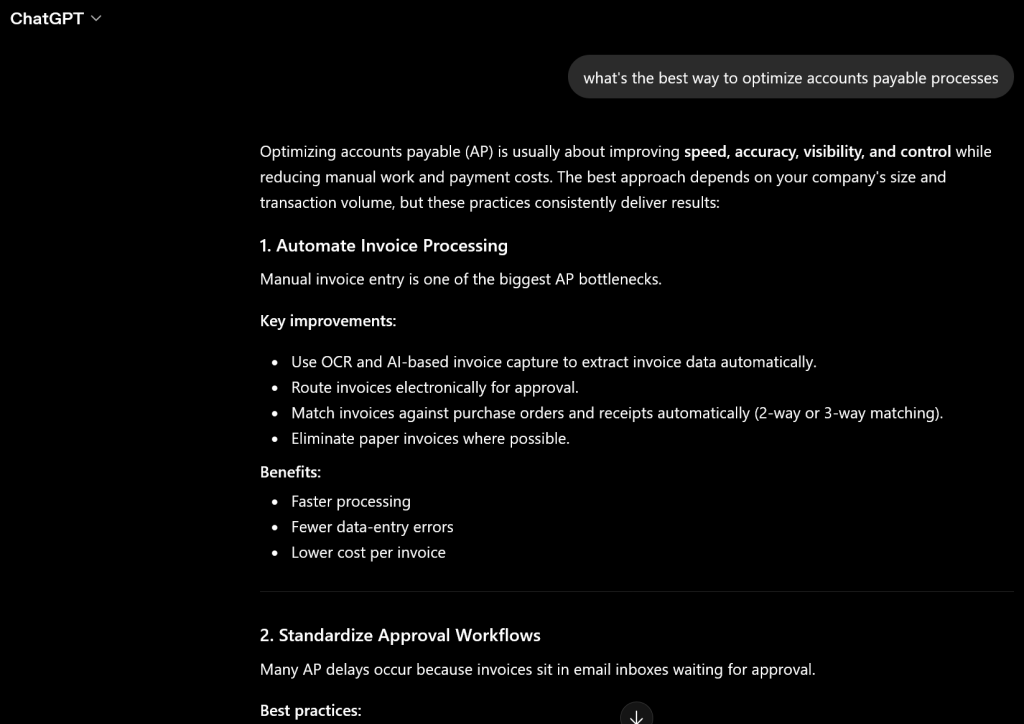
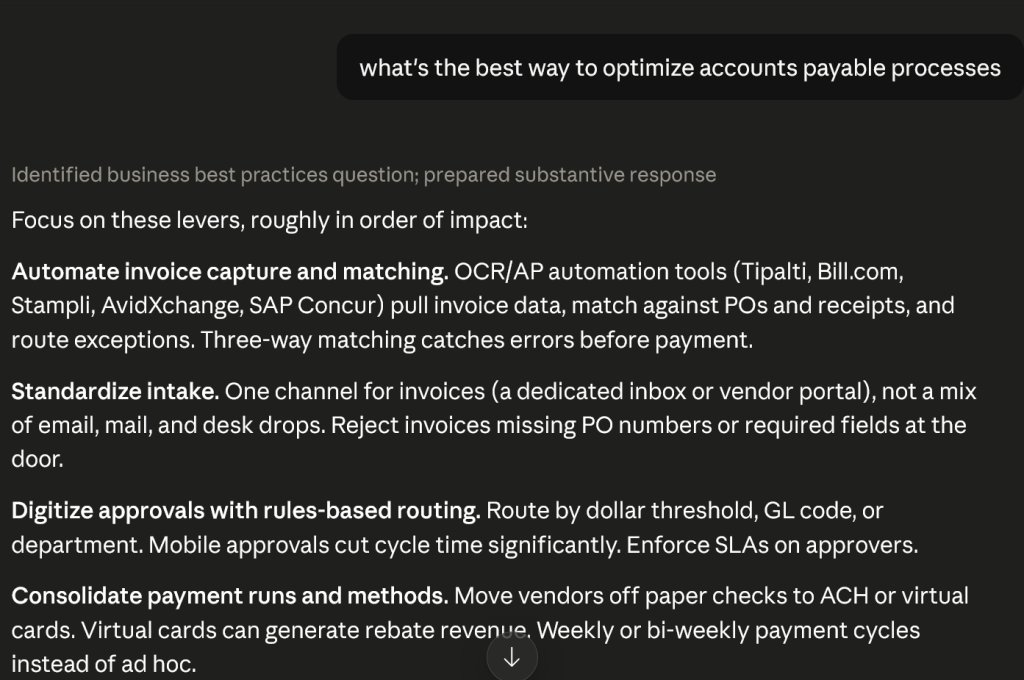
For example, look at the results for this query: “What’s the best way to optimize accounts payable processes?”
Google’s AI Mode cites multiple websites and links to two vendor brands above the fold in its answer.
ChatGPT responded with an extensive how-to guide that cited no sources and mentioned no brands.
Claude mentioned several brands early in its answer. The answers are all different because the models are using different sources.
What this means for your AI-visibility PR efforts: You need to find out which AI tools your audience uses most often. It’s not enough to follow general trends like posting more on LinkedIn, landing media features, or building up your company’s Wikipedia page. For example, if you invest heavily to create a YouTube presence but your core audience uses Claude to search, that’s wasted PR spend. Muck Rack found that Claude didn’t cite YouTube even once in its dataset.
Industry and question type should define PR efforts, too
The value of journalistic earned media varies by industry, Muck Rack found. For queries about the media and entertainment industry, 36% of responses cited journalism, the highest rate across 17 industries in the study. 32% of finance and insurance citations were journalistic, and so were 31% of citations about the sports and food-and-beverage sectors. For these sectors, consistent media relations efforts can drive visibility.
Journalistic sources were cited less often at the other end of the scale. Just 19% of sources for education and industrial/manufacturing queries came from journalistic outlets, while 36% of industrial/manufacturing queries surfaced corporate blogs and content. For this and similar sectors, PR outreach that focuses on partnership opportunities like guest blogs and company podcast appearances represents a better investment than traditional journalism outlets.
However, industry isn’t the only factor in when journalistic sources get cited. Muck Rack found that “questions about industry trends drive journalism citations at more than twice the rate of how-to queries.” Trends queries were virtually the only type that resulted in press release citations.
What this means for your AI-visibility PR efforts: PR efforts need to align with the sources that are cited most often for queries about your industry. They also need to align with the types of questions your audience asks, such as journalistic sources and press releases for industry trends, and larger media outlets for how-to queries.
How targeted PR creates the foundation for AI visibility
What does this look like in practice? One finance and accounting client regularly surveys CFOs to uncover trends in hiring, outsourcing, and automation. Because finance industry citations and trends citations tend to come from journalistic sources, the PR focus for promoting the client’s reports centers on press releases, featured articles, and thought leadership articles in relevant publications.
For one by different AI search tools.
For example, ChatGPT responds to “How are CFOs solving the accounting talent shortage in 2026?” with a detailed outline that cites the finance and accounting client and links to their report high up in the answer.
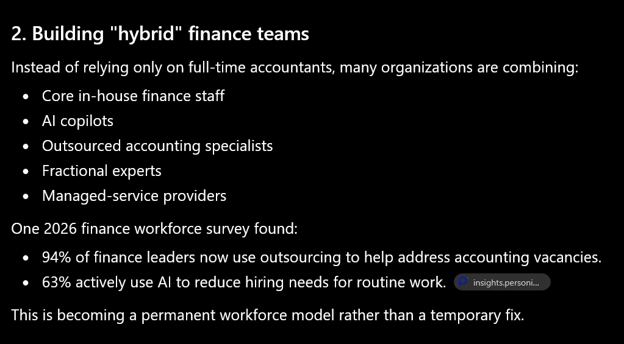
Google AI Search, which runs on Gemini, and Claude didn’t cite the client’s work in their answers. However, Google featured a tax news outlet’s coverage of the client report in its response to “What’s the accounting talent shortage like in 2026?”
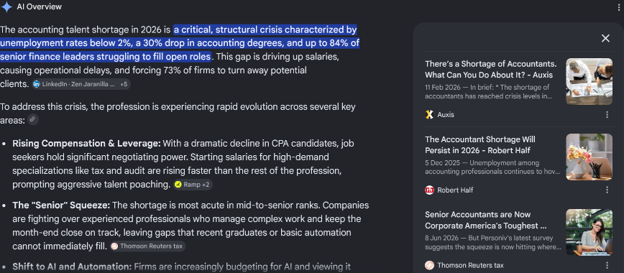
And “What are the hiring trends in accounting and finance now?” resulted in a link to the client’s report landing page from ChatGPT.

Assessing your PR strategies for AI visibility
How can you tell if your brand’s PR program is laying the groundwork for AI visibility? Start by answering these questions:
- Do you know which AI models your buyers use most often for search?
- Do you know which sources dominate citations in your sector? The Muck Rack report includes data that can help you.
- Do you tailor PR activities to specific customer-journey stages, like press releases for trend searches vs. corporate content for how-to searches?
- Do you track AI citations by platform?
- Have you baselined your brand’s AI visibility by asking different AI models the questions your audience asks and comparing the answers?
If you answered “yes” to all of these questions, you have the basics down. Any “no” answers are places to revisit your strategy and make it more aligned to the nuances of AI visibility now. Taking the time to refine your PR practices can improve ROI on your AI visibility efforts and help you connect better with more of your audience.
Want to learn more about how PR supports AI visibility for brands, and how we can help your brand raise its profile? Contact us.